
Obesity is more than a cosmetic concern—it is a medical condition that affects nearly every organ system in the body, including your urinary and reproductive health.
Closely linked to obesity is metabolic syndrome, a cluster of conditions such as high blood pressure, high blood sugar, abnormal cholesterol levels, and excess abdominal fat. Together, they significantly increase the risk of heart disease and diabetes—but many people don’t realize they also impact urological health.
At leading centers like Manipal Hospital Gurugram, specialists such as Dr. Sumit Bansal frequently evaluate patients whose urinary symptoms are directly influenced by weight-related and metabolic issues.
Let’s understand how.
What Is Metabolic Syndrome?
Metabolic syndrome is diagnosed when a person has three or more of the following:
Increased waist circumference (abdominal obesity)
High blood pressure
Elevated fasting blood sugar
High triglycerides
Low HDL (“good”) cholesterol
This combination leads to chronic inflammation, hormonal imbalance, and vascular damage, all of which can affect the urinary tract.
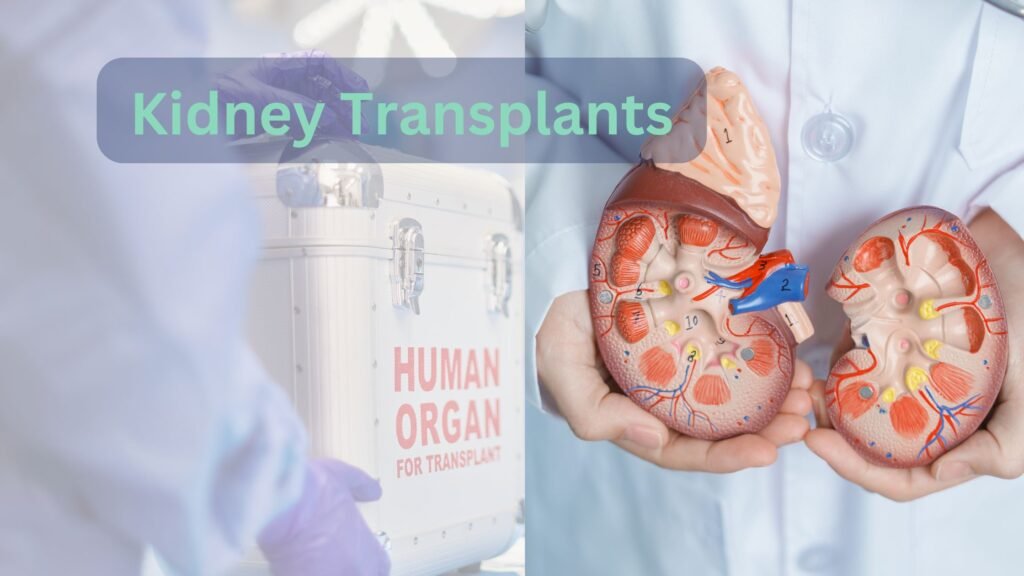
How Obesity Affects Kidney Health
Your kidneys filter waste and maintain fluid balance. However, excess weight:
Increases pressure inside the kidneys
Raises blood pressure
Worsens insulin resistance
Promotes inflammation
Over time, this may lead to:
Chronic kidney disease (CKD)
Protein leakage in urine
Faster decline in kidney function
Obesity-related diabetes and hypertension further accelerate kidney damage.
Impact on Bladder Function
Excess abdominal fat increases pressure on the bladder and pelvic floor muscles. As a result, individuals may experience:
Frequent urination
Urgency
Stress urinary incontinence
Nighttime urination (nocturia)
Additionally, metabolic syndrome affects nerve function, which may disturb normal bladder control.
Prostate Health & Obesity
In men, obesity is linked with:
Enlarged prostate symptoms
Increased inflammation in prostate tissue
Higher risk of aggressive prostate disease
Hormonal imbalance caused by excess fat tissue can also influence prostate growth and urinary symptoms such as weak stream or incomplete emptying.
Erectile Dysfunction & Metabolic Syndrome
One of the most common urological complications of obesity is erectile dysfunction (ED).
Why?
Because metabolic syndrome damages blood vessels. Since erections depend on healthy blood flow, vascular problems can significantly reduce sexual performance.
Obesity also lowers testosterone levels, further worsening sexual health and energy levels.
Increased Risk of Kidney Stones
People with obesity are more prone to kidney stones due to:
Changes in urine composition
Higher uric acid levels
Insulin resistance
These factors create an environment where stones form more easily.
Can Weight Loss Improve Urological Health?
Yes—significantly.
Research shows that even modest weight reduction can:
Improve bladder control
Lower blood pressure
Enhance kidney function
Improve erectile performance
Reduce prostate-related symptoms
Lifestyle changes often lead to measurable improvement within months.
Practical Steps to Protect Your Urological Health
✅ Maintain a healthy weight
Even 5–10% weight loss makes a difference.
✅ Control blood sugar & blood pressure
Regular monitoring is essential.
✅ Stay physically active
At least 30 minutes of moderate exercise daily.
✅ Follow a kidney-friendly diet
Low salt, balanced protein, adequate hydration.
✅ Seek early evaluation for urinary symptoms
Frequent urination, weak flow, ED, or kidney discomfort should not be ignored.
When Should You Consult a Urologist?
Consider professional evaluation if you have:
Persistent urinary symptoms
Diabetes with urinary changes
High blood pressure affecting kidney reports
Erectile dysfunction
Recurrent kidney stones
Early assessment helps prevent long-term complications.
Expert Guidance from Dr. Sumit Bansal
If obesity or metabolic syndrome is affecting your urinary health, personalized care is essential.
Dr. Sumit Bansal, Minimal Access Urologist and Uro-Oncosurgeon, provides comprehensive evaluation and advanced treatment for kidney, bladder, prostate, and male sexual health conditions. With a patient-centered approach, he focuses not just on treatment—but also on long-term prevention and lifestyle optimization.
He consults at Manipal Hospital Gurugram and Dwarka.
Final Thoughts
Obesity and metabolic syndrome don’t just impact your heart—they silently affect your kidneys, bladder, prostate, and sexual health.
The good news? Most of these complications are preventable and reversible with early action.
If you’re experiencing urinary symptoms and also struggling with weight or metabolic issues, it may be time to connect the dots—and take proactive steps toward better health.